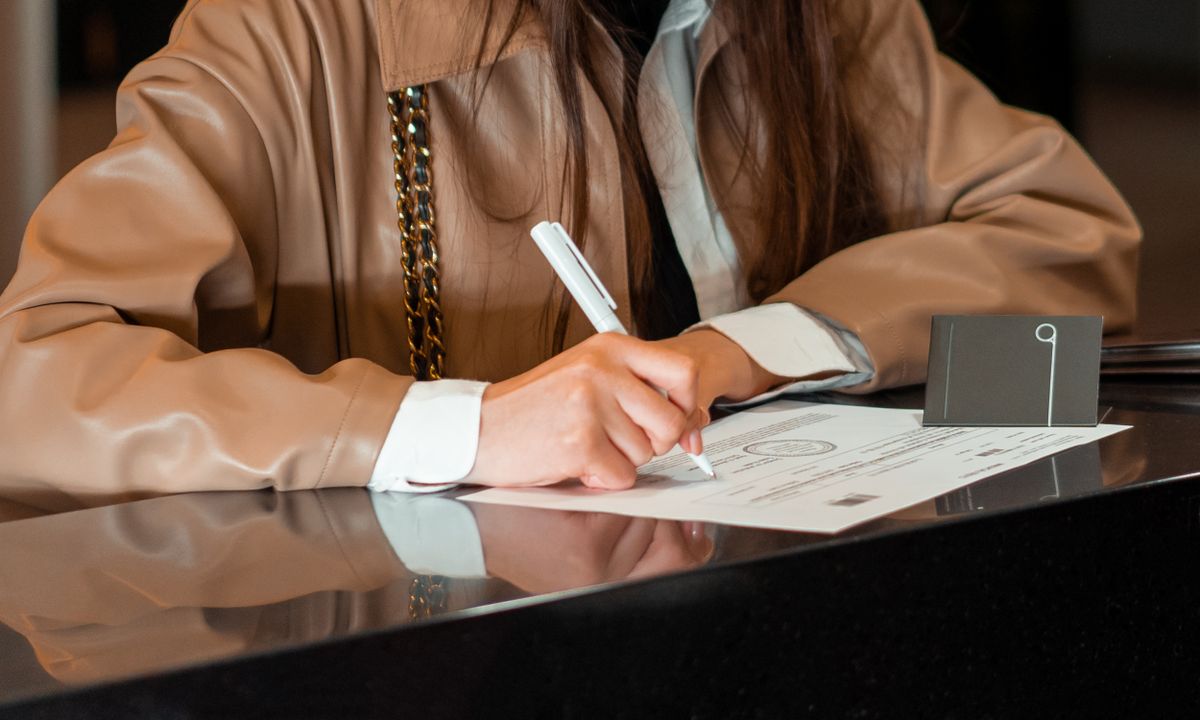
An engineer in Texas submits a visa file with a birth certificate that was translated by a bilingual friend and receives a request for evidence three months later because the translation had no statement of accuracy and several names were spelled differently from the passport and the whole application had to wait while the family paid for a new translation and a second notary visit.
Foreign documents rarely fail because of one dramatic mistake and usually fail because of many small inconsistencies such as a name written in two ways and a date that follows another order and a stamp that nobody translated and an officer who has limited time will treat each of these as a reason to ask for more proof.
Applicants and small businesses often collect their papers in a hurry and then discover that the notary and the agency and the receiving office each expect a slightly different format when the better habit is to ask for the requirements first and to prepare the whole set in one pass with a consistent spelling of every name.
The good news is that this preparation does not need a large budget because a simple checklist and a single glossary of names and a professional translator who understands the receiving office remove most of the risk and give the file a much better chance of being accepted the first time.
This article explains how to prepare foreign documents for a notary appointment and covers which papers need translation and how to treat a few languages that applicants use often and where to find public reference material while it remains general information that is not legal advice and does not replace the rules of an authority or the guidance of a qualified lawyer.
Start with the Names and the Stamps
The first step is to list every document in the file and to copy each name exactly as it appears in the passport because the officer compares the papers line by line and many families who arrive from Southeast Asia order Khmer translation services for civil records and school certificates so that every stamp and every seal is rendered in a form that the receiving office can read.
Freelance translators who bill per page also benefit from a tidy file and many of them use a billing invoice generator to send a clear invoice with the page count and the language pair so that the client can attach the paperwork to the application without questions about what was translated.
Keep Every Version Consistent
Polish translation services are a useful example of why consistency matters because Polish names change their endings depending on gender and case and an applicant who appears as one spelling on the birth certificate and as another on the marriage certificate will often be asked to prove that both belong to the same person while numbers and dates also follow local order and so a day that looks clear in one country can be read as a month in another.
A short checklist that covers the spelling of each name and the format of each date and the meaning of each stamp keeps the file coherent and Polish translation services should follow the same list as Khmer translation services while Nepali translation services and Tibetan translation services help applicants from the Himalayan region and a native reviewer can confirm that every line matches the original document.
Do Not Overlook the Smaller Languages
Many agencies treat the Romanian language as a minor request even though Romanian speakers file thousands of applications every year in Britain and the United States and a file that includes the Romanian language documents with a clear statement of accuracy will be processed more smoothly while our guide to apostille translation explains how an apostille and a certified translation work together and the entry on notary public describes what a notary does and does not verify.
The Romanian language also uses special letters that break in some fonts and on some forms so every translated page should be opened on the final platform and checked letter by letter before it is signed while Khmer translation services need fonts that display the script correctly and Nepali translation services and Tibetan translation services meet similar challenges with their own spelling and the entry on immigration shows why so many applicants need accurate paperwork in the first place.
Keep One Glossary for the Whole File
A short glossary with the names of the people and the places and the titles of the offices should be written before the first translation so that every translator uses the same spelling for the same word and the applicant and the family and the person who books the notary can all use it so that the pages stay consistent from the first form to the last attachment.
Reviewing the glossary before every submission lets the applicant correct small differences and a reviewer who knows Khmer translation services and the Romanian language can adjust the wording so that the whole file stays clear while Polish translation services and Nepali translation services and Tibetan translation services follow the same glossary and over time it becomes a small asset that the family can reuse for every later application.
A file that is consistent from the first page to the last is a file that asks no questions and that quiet preparation is what turns a long wait into a quick approval.